Setting Up Browse Abandonment Automation in ZEPIC Flows
This guide covers how to trigger automated recovery messages in ZEPIC when a customer views products but leaves without adding anything to their cart.
Browse abandonment flows in ZEPIC are designed to help e-commerce, D2C, and travel brands re-engage window shoppers instantly, without a team member tracking product views by hand.
This adds a practical way to re-engage window shoppers without team members sending messages one at a time.
Table of Contents
- • Before You Begin (Prerequisites)
- • What Is a Browse Abandonment Flow?
- • How to Automate Browse Abandonment in ZEPIC
- • What to Expect After Launch
- • Browse Abandonment Use Cases for Your Business
- • FAQs
- • Explore Related Articles
Before You Begin
- • An active ZEPIC account with at least one channel enabled, such as email, SMS, or WhatsApp.
- • Your Shopify store connected to ZEPIC, or another source sending browsing data through a webhook.
- • Product Viewed and Add to Cart events tracked and flowing into ZEPIC.
- • Customers identified by email or logged-in session, so a browsing session can be matched to a contact.
What Is a Browse Abandonment Flow?
A browse abandonment flow is a journey in ZEPIC that starts when a customer views one or more products and ends without an Add to Cart, so the follow-up goes out without anyone needing to send it manually.
This sits earlier in the funnel than cart or checkout abandonment, since the customer has shown interest but has not yet picked anything to buy. That makes the message a gentle nudge back to a product, rather than a reminder about items already chosen.
Once triggered, the flow can send a single reminder or lead into a longer series that introduces related products if the first message does not bring the customer back.
How to Automate Browse Abandonment in ZEPIC
1. Connect Your Browsing Source: Connect your Shopify store to ZEPIC, or confirm the webhook or tracking script you are using sends Product Viewed events as customers browse.
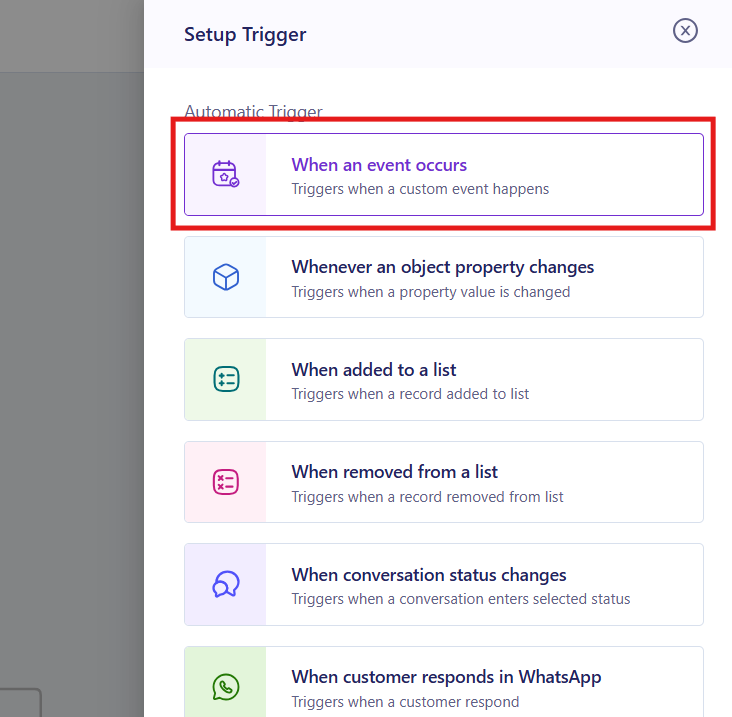
2. Set Your Flow Trigger: Open Flows and choose Product Viewed as the event that starts the journey, then add a condition that checks whether an Add to Cart event fired before the wait period ends.
3. Add a Wait Period: Add a delay before the first message, such as a few hours, so customers who are still actively browsing are not messaged too soon.
4. Build the Recovery Message: Add a step for your first channel, with personalization such as first name and the product viewed, and include a direct link back to it.
5. Test and Launch: Trigger a test product view, confirm the message arrives correctly, then publish the flow to your live audience.
What to Expect After Launch
Once your browse abandonment flow is live, your business can reach every customer who shows interest without taking the next step.
Your team does not need to track product views or send the first nudge by hand, meaning that every browsing session gets a timely follow-up, while delivery tracking shows how each message performed.
Browse Abandonment Use Cases for Your Business
- • Single Product Reminder: A D2C skincare brand emails a customer a few hours after they view a product page, with an image of the item and a direct link back to it.
- • Category Browse Follow-Up: A fashion retailer sends a WhatsApp message with a few bestsellers from a category a customer browsed repeatedly without choosing anything.
- • Price Drop Alert: A home décor brand texts a customer if a product they viewed drops in price shortly after their visit, giving them a reason to return.
- • Destination Browse Follow-Up: A travel brand follows up by email when a visitor views a specific destination or package page, offering related dates and a limited-time fare.
FAQs
How is browse abandonment different from cart abandonment?
Browse abandonment happens when a customer views a product but never adds it to their cart, while cart abandonment happens after an item has already been added.
Does browse abandonment only work with Shopify?
No. Shopify is the most common source, but the same flow can trigger from any other webhook or tracking script that sends Product Viewed events into ZEPIC.
Do I need coding experience to set up a browse abandonment flow?
No. ZEPIC uses a visual Flow builder, so you can choose triggers, add conditions, and build messages without writing code.
Explore Related Articles
Was this article helpful?
That’s Great!
Thank you for your feedback
Sorry! We couldn't be helpful
Thank you for your feedback
Feedback sent
We appreciate your effort and will try to fix the article